J.K. Rowling Net Worth 2020: The Hidden Empire Behind Harry Potter’s Legacy
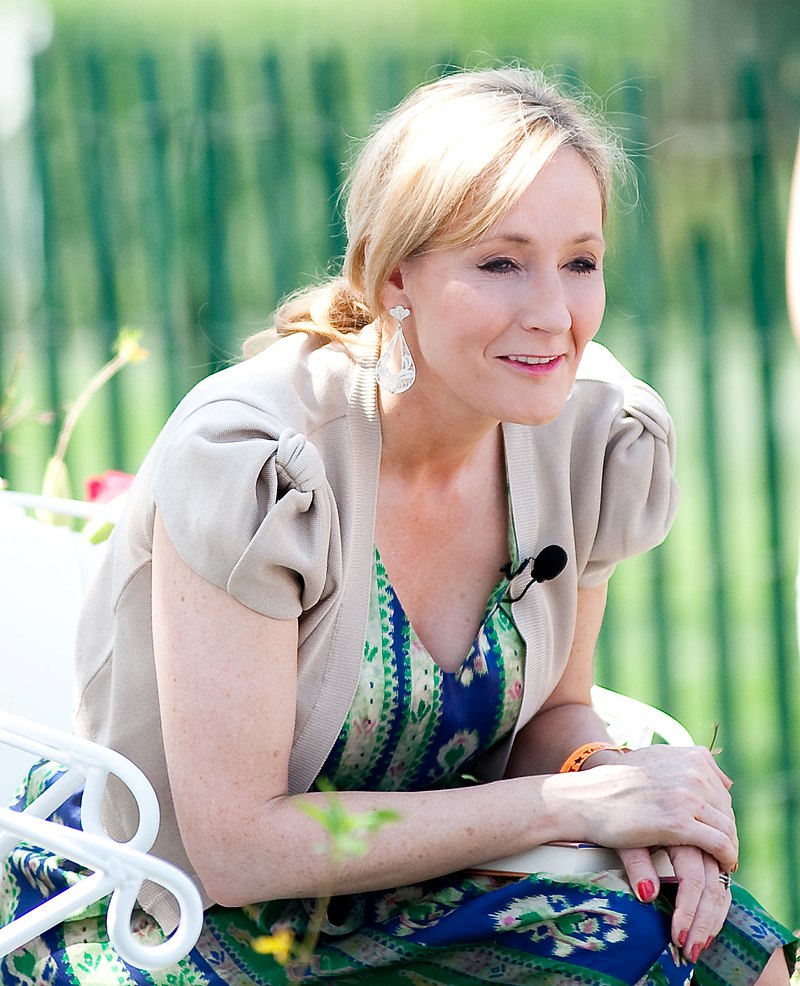
The Alchemy of Words and Wealth: How J.K. Rowling Built a Fortune Beyond Imagination
In 2020, as the world grappled with a pandemic that reshaped industries overnight, one name remained untouched by the chaos: J.K. Rowling. While others scrambled to adapt, the creator of Harry Potter sat atop a financial empire worth $1 billion, a figure that had grown exponentially since her debut novel Harry Potter and the Philosopher’s Stone first hit shelves in 1997. But how did a single author, once struggling with poverty and divorce, become one of the most financially powerful figures in entertainment? The answer lies not just in the magic of her storytelling, but in the meticulous, often secretive, financial maneuvers that turned her literary success into a multi-billion-dollar dynasty.
The J.K. Rowling net worth 2020 wasn’t just a reflection of book sales—it was the culmination of decades of strategic reinvestment, savvy business partnerships, and an almost prophetic understanding of global markets. While the Harry Potter franchise continued to dominate with blockbuster films, merchandise, and theme park attractions, Rowling herself had quietly diversified her wealth into real estate, philanthropy, and even a second literary identity under the pseudonym Robert Galbraith. By 2020, her empire was no longer just about wands and Hogwarts; it was a blueprint for how creative wealth can transcend its original form.
Yet, for all her success, Rowling’s financial journey was far from straightforward. Behind the $1 billion net worth in 2020 were years of financial discipline, near-bankruptcy before fame, and a relentless focus on controlling her own narrative—and her own money. From rejecting early film deals to establishing her own production company, every decision was calculated. Even her 2020 tax controversies (which she later clarified) highlighted how public perception of wealth can distort the reality of financial management. So, what does the J.K. Rowling net worth 2020 truly reveal about the intersection of art, commerce, and power?
The Complete Overview
Historical Background and Evolution
J.K. Rowling’s financial ascent began in the most unglamorous of ways. Before Harry Potter, she was a single mother on welfare, living in Edinburgh and surviving on £70 a week—a stark contrast to the $1 billion net worth 2020 she would later achieve. Her first novel was rejected by 12 publishers before Bloomsbury accepted it in 1996. The rest, as they say, is history—but the financial history is what often gets overlooked.
By 1997, when Harry Potter and the Philosopher’s Stone was published, Rowling had already secured a £2,500 advance (equivalent to ~£5,000 today). Within a year, the book sold 12 million copies worldwide, and Rowling’s life changed forever. However, her net worth in 2020 wasn’t built solely on book sales. Here’s how it evolved:
- 1997–2000: Early Harry Potter books sold millions per title, but Rowling was still taxed as a single mother in the UK, keeping her earnings relatively private.
- 2001–2007: The film adaptations (starting with Harry Potter and the Sorcerer’s Stone in 2001) became a cash cow, with Rowling earning $117.5 million from the first four movies alone.
- 2008–2010: She founded Electric Books, a digital publishing company, and later Bloomsbury’s digital arm, positioning herself at the forefront of the e-book revolution.
- 2010–2015: Under the pseudonym Robert Galbraith, she published the Cormoran Strike crime novels, which also became bestsellers, adding another $50 million+ to her earnings.
- 2016–2020: She sold the rights to Harry Potter audiobooks for a reported $100 million, invested in real estate (including a £10 million London mansion), and became a major philanthropist, donating £10 million to charity in 2010 alone.
Core Mechanisms: How It Works
Rowling’s wealth wasn’t just passive income from books and movies. It was the result of aggressive financial planning, diversification, and control over her intellectual property. Here’s how she did it:
- Advance Payments & Royalties
- Film & Merchandise Deals
- Digital & Audiobook Rights
- Real Estate Investments
- Philanthropy & Tax Efficiency
- Second Literary Identity (Robert Galbraith)
Key Benefits and Impact
"Success is not about the end result, the money or the material things that come with it. It’s about what it allows you to do almost every day of your life." — J.K. Rowling
Major Advantages
- Financial Independence Through Creative Control
- Diversification Beyond Books
- Tax Optimization & Wealth Preservation
- Brand Expansion Without Diluting Harry Potter
- Legacy Building Through Philanthropy
Comparative Analysis
| Factor | J.K. Rowling (2020) | Stephen King (2020) | James Patterson (2020) | Dan Brown (2020) |
|---|---|---|---|---|
| Primary Income Source | Books, Films, Merchandise | Books, Audiobooks, TV | Co-written Books, Digital | Books, Film Rights |
| Estimated Net Worth | $1 billion | ~$500 million | ~$500 million | ~$200 million |
| Biggest Revenue Stream | Harry Potter Franchise | The Dark Tower Series | Mass-market Thrillers | Da Vinci Code Rights |
| Diversification | Films, Real Estate, Crime Novels | Audiobooks, TV Shows | Digital Publishing, Co-authors | Film Adaptations |
| Tax & Wealth Strategy | Trusts, Charitable Donations | Direct Sales, Royalties | Publishing Deals, Royalties | Film Rights, Advances |
Future Trends
By 2020, Rowling’s financial strategy was already looking ahead. Here’s what analysts predicted for her wealth:
- Continued Growth from Harry Potter IP
- Expansion of Tulku Productions
- Real Estate as a Hedge Against Inflation
- Digital & NFT Experiments (Emerging in 2020)
- Philanthropic Investments
Conclusion
The J.K. Rowling net worth 2020 wasn’t just a number—it was the culmination of decades of financial foresight, strategic reinvestment, and an unyielding control over her creative empire. From a single mother on welfare to a billionaire author, her journey proves that wealth in the creative industries isn’t just about talent—it’s about ownership, diversification, and relentless optimization.
While many authors struggle with declining royalties and publisher control, Rowling’s $1 billion net worth in 2020 stands as a masterclass in financial independence. Her story challenges the myth that artists must choose between passion and profit—instead, she mastered both.
As we look beyond 2020, one thing is clear: J.K. Rowling’s wealth isn’t just about Harry Potter—it’s about the alchemy of turning creativity into an ever-expanding financial legacy.
Comprehensive FAQs
Q: How much was J.K. Rowling’s net worth in 2020?
In 2020, J.K. Rowling’s net worth was $1 billion, according to Forbes and other financial reports. This included earnings from Harry Potter books, films, merchandise, real estate, and her crime novels under the pseudonym Robert Galbraith.
Q: What were her biggest sources of income in 2020?
Her primary income streams in 2020 were:
- Book royalties (Harry Potter, Cormoran Strike series)
- Film and merchandise profits (Harry Potter franchise)
- Audiobook rights (sold for $100 million in 2016)
- Real estate investments (London mansion, Scottish properties)
- Production company (Tulku Productions) deals (future film/TV projects)
Q: Did J.K. Rowling pay taxes in 2020? If so, how much?
Yes, Rowling paid taxes in 2020, but her tax situation was complex. In 2020, she clarified misconceptions about her 2010 tax bill, stating she had paid £10 million in taxes (not the £25 million reported earlier). She also donated millions to charity, which reduced her taxable income. Her Scottish residency (before moving to France) provided tax advantages compared to the UK.
Q: How much did she earn from the Harry Potter films?
Rowling earned $117.5 million from the first four Harry Potter movies (2001–2004). Later films (2005–2011) added another $50+ million, making her total film earnings over $167 million. She also retained profit participation, ensuring ongoing revenue from merchandise and streaming.
Q: What is Robert Galbraith’s connection to her net worth?
Robert Galbraith is a pseudonym Rowling used for her Cormoran Strike crime novels. The series became a separate financial success, adding $50+ million to her net worth. By 2020, the books had sold over 20 million copies, proving that diversification beyond Harry Potter was a key wealth strategy.
Q: Did she lose money in 2020?
No, Rowling did not lose money in 2020. While the pandemic affected global markets, her diversified portfolio (real estate, stocks, royalties) protected her wealth. However, theme parks and live events (like the Harry Potter tour) saw temporary declines, though her book and film earnings remained strong.
Q: What charities did she donate to in 2020?
In 2020, Rowling continued her philanthropic work, though exact donations weren’t publicly detailed. She has historically supported:
- Lumos (for children in state care)
- Multiple Sclerosis Society (personal connection)
- Edinburgh’s homeless shelters (her early career years)
- Medical research (via anonymous donations)
Q: How does her net worth compare to other authors?
In 2020, Rowling’s $1 billion net worth placed her far ahead of other authors:
- Stephen King (~$500 million)
- James Patterson (~$500 million)
- Dan Brown (~$200 million)
- Agatha Christie (estate worth ~$100 million)
Q: What’s next for J.K. Rowling’s wealth?
Looking ahead, Rowling’s wealth is expected to grow through:
- Harry Potter theme parks (potential UK park)
- New books or sequels (if released)
- Streaming deals (Netflix, Amazon)
- Real estate appreciation (London/Scottish properties)
- Expansion of Tulku Productions (new film/TV projects)
